Improving Deck Color Classification
Ever looked up a deck on the site and noticed unexpected splash colors?
The classification logic has served us well for years by optimizing for simplicity and straightforward rules, but the way it handled hybrid cards, activated abilities and a handful of edge cases was worth revisiting. We recently reworked how deck colors are determined. We’ll explain what changed and why.
Why it matters
Deck color labels aren’t just cosmetic: they decide how your draft is categorized in the aggregate data, feeding color-based win rate breakdowns and archetype filters across the site. A mislabeled deck is a small annoyance on its own, but over thousands of drafts it quietly distorts the numbers.
What was happening
Our legacy logic was relatively straightforward: If there was at least one mana source of a given color, we count up the cards with that color identity. 4 or more cards was a main color, 3 or less was a splash. However, this logic led to unintuitive results more often then we’d like.
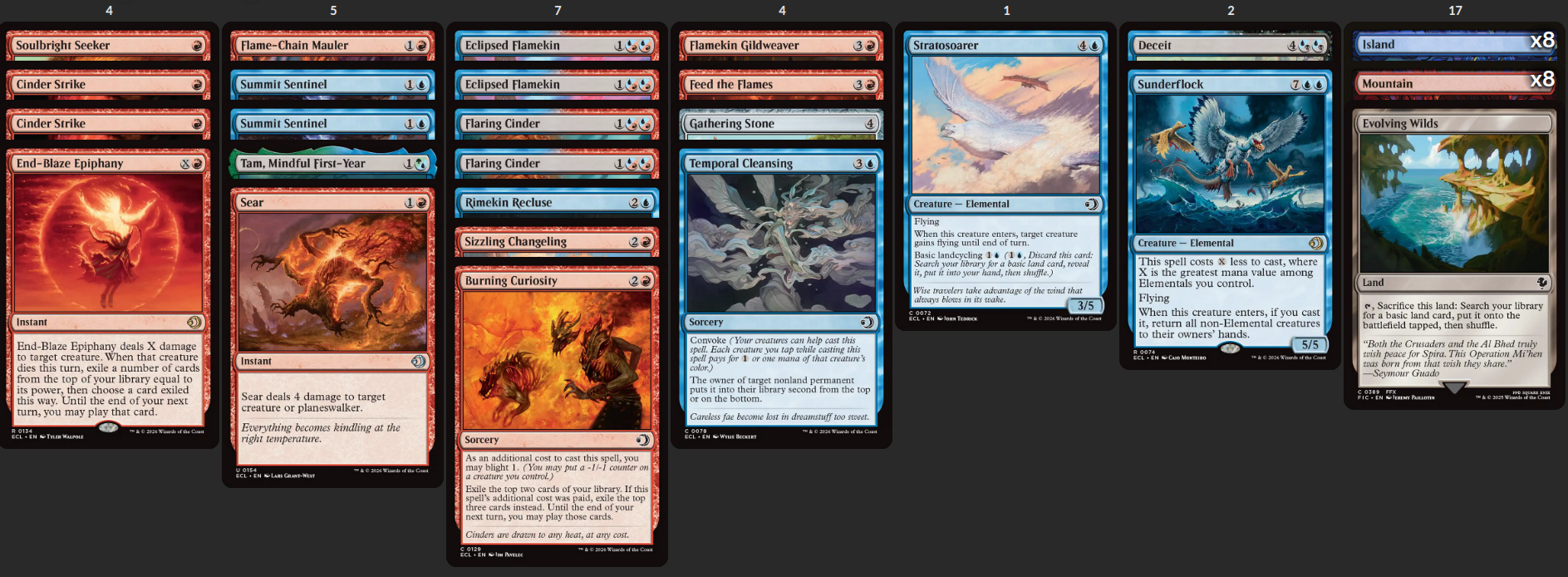
Take this ECL deck for example, playing only Islands/Mountains, featuring
This was previously labeled as URbg. Hybrids were counted as both colors, and a single treasure-making source in
Under our new logic, this would be classified as a UR deck, which would match how most players intuitively classify it. Let’s break down some of the changes in more detail.
#1. Hybrids will pick one color
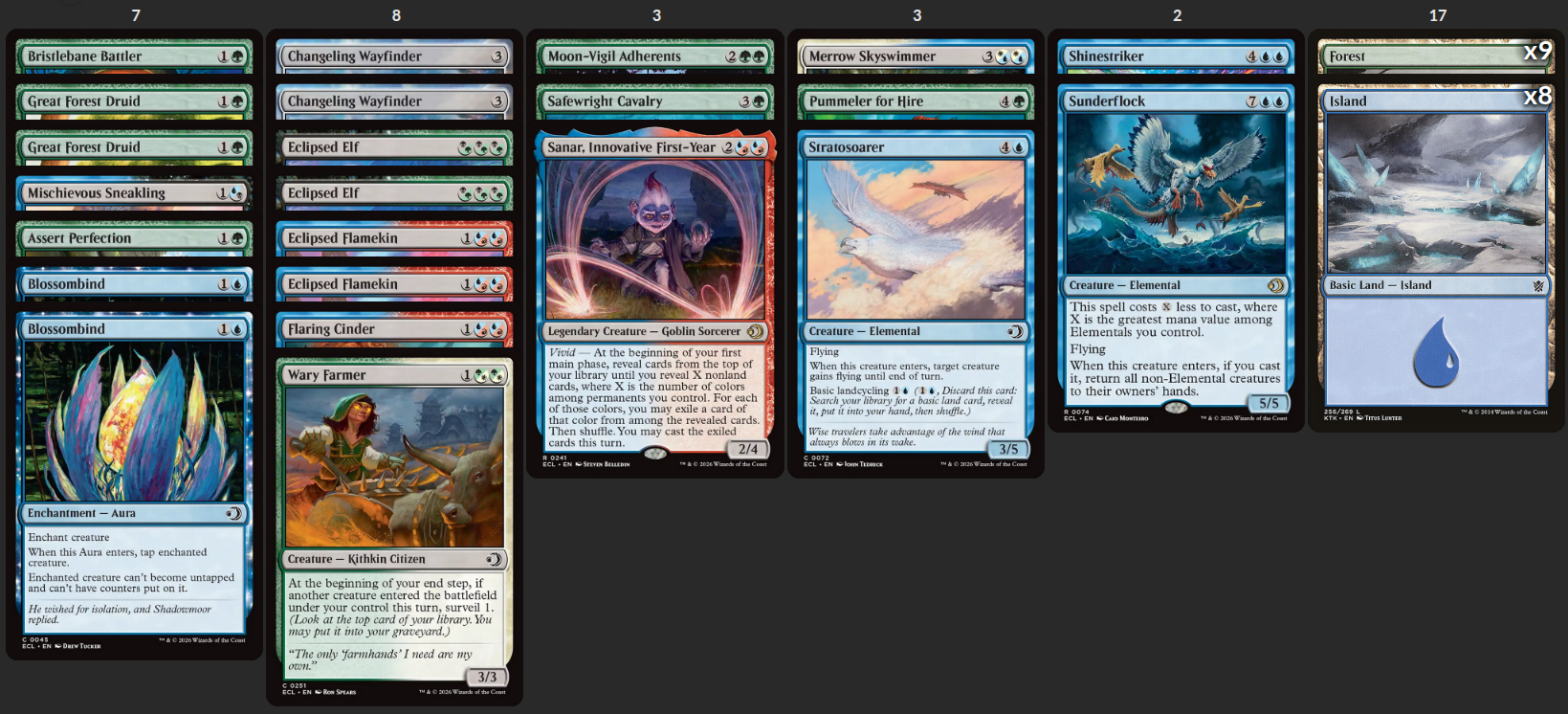
This UG deck plays seven different hybrid cards spanning every color.
New Rule:
Hybrid cards now pick the color with more sources.
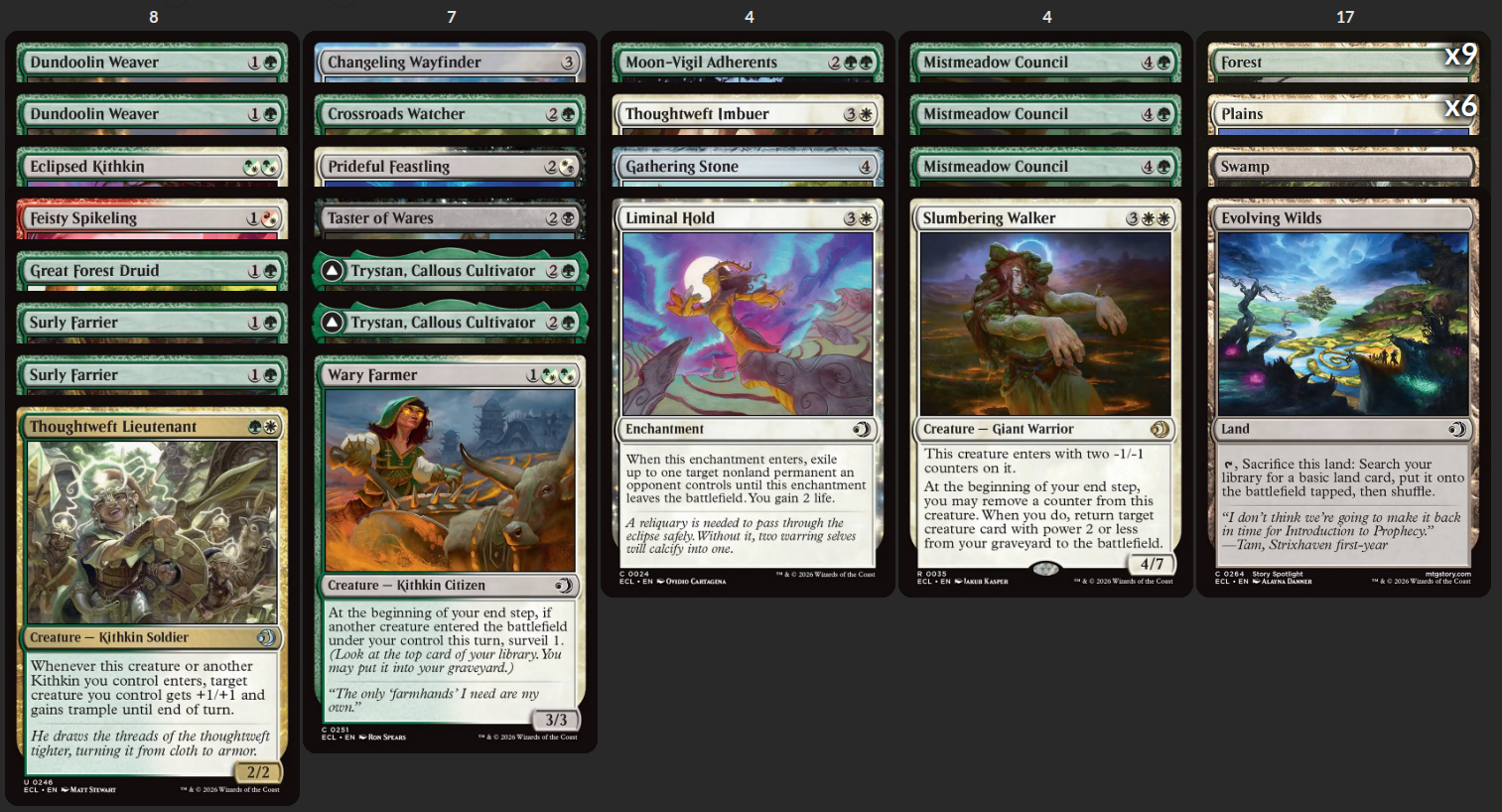
A subtler case in this GW deck:
But what if you were playing a card like Trystan without expecting to use its ability?
#2. Abilities need a land
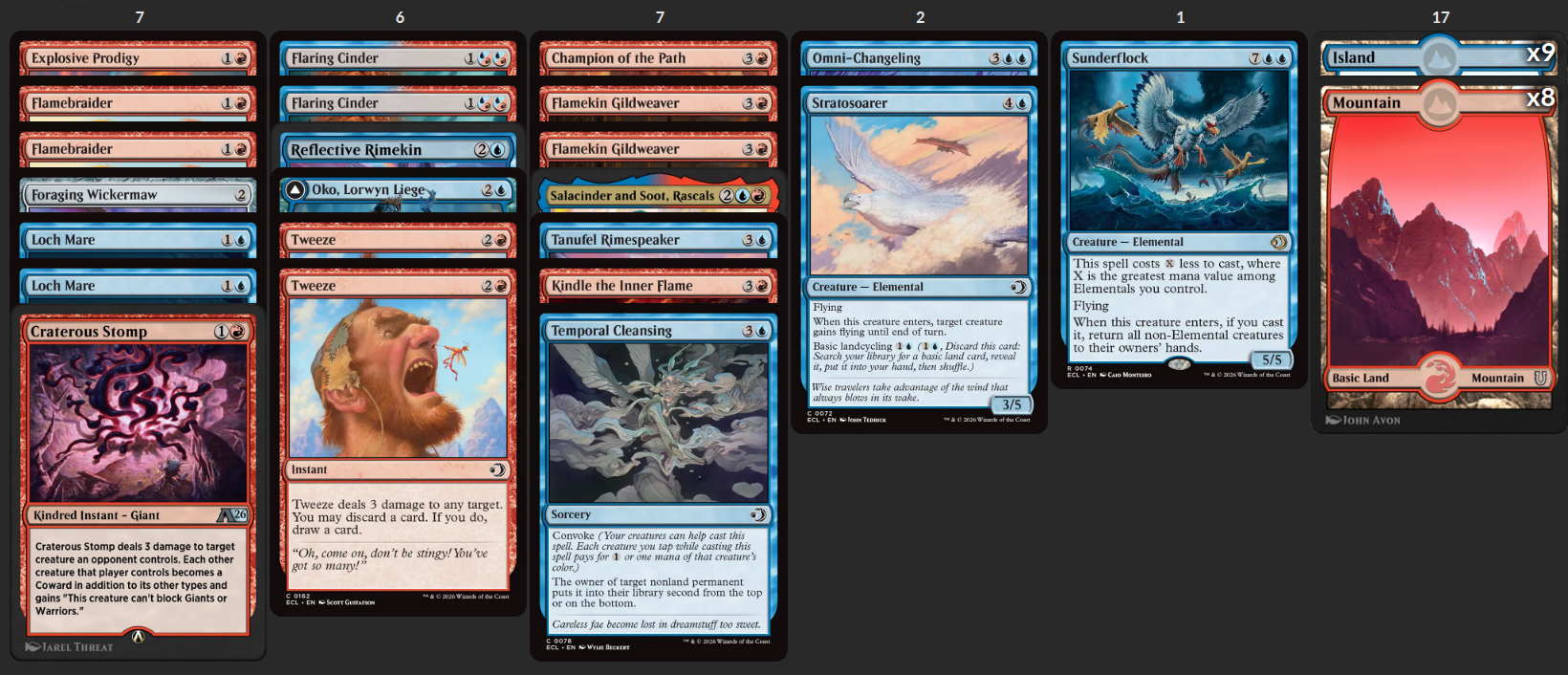
This UR deck is playing
New Rule: Ability splashes now need a dedicated land.
Multi-color abilities work the same way: every off-color still needs its own land.
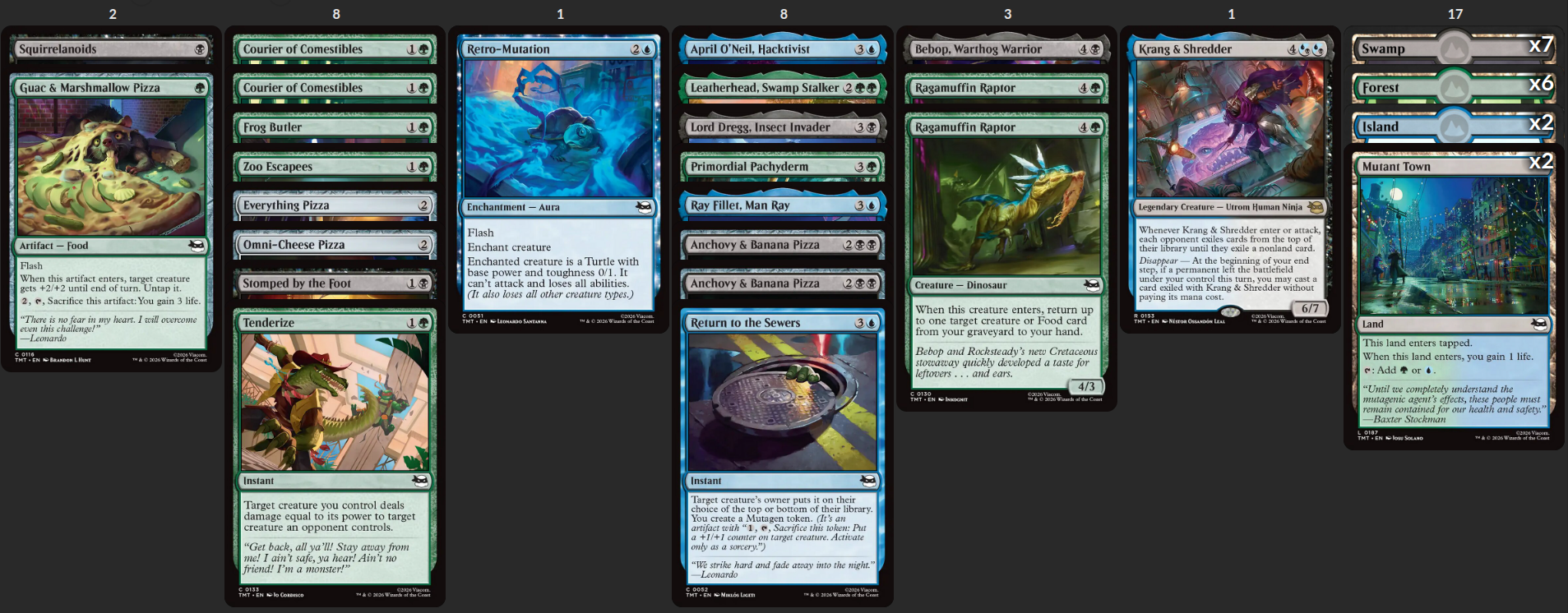
This UBG deck plays
Additionally, TMT featured a lot of off-color abilities and we were seeing decks labeled with more main colors than their mana base actually committed to.
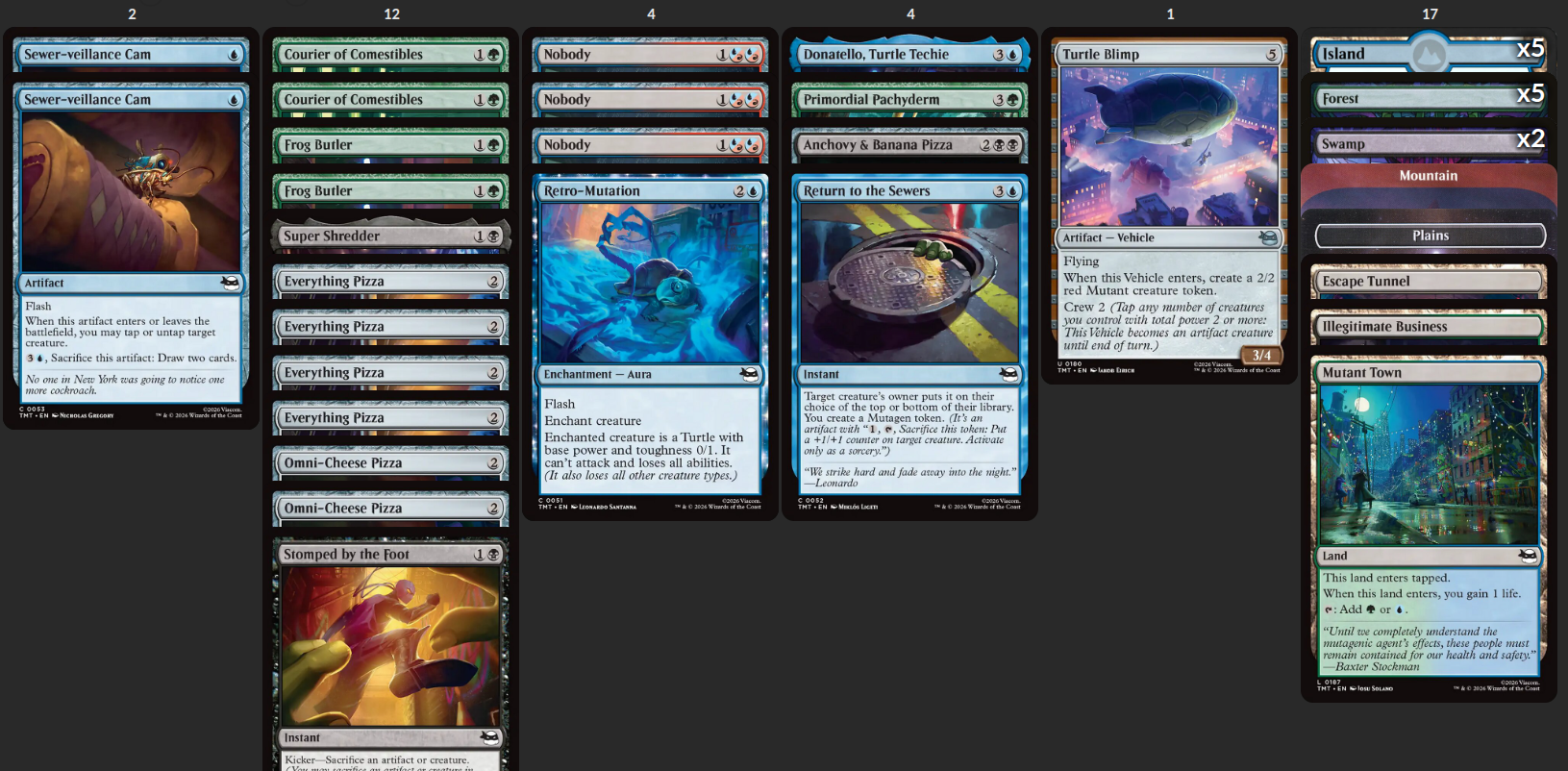
This UG deck plays four copies of
New Rule: Abilities no longer count for main colors.
If you made it this far, there’s one topic left: non-land sources.
Should one
#3. Sources required per pip
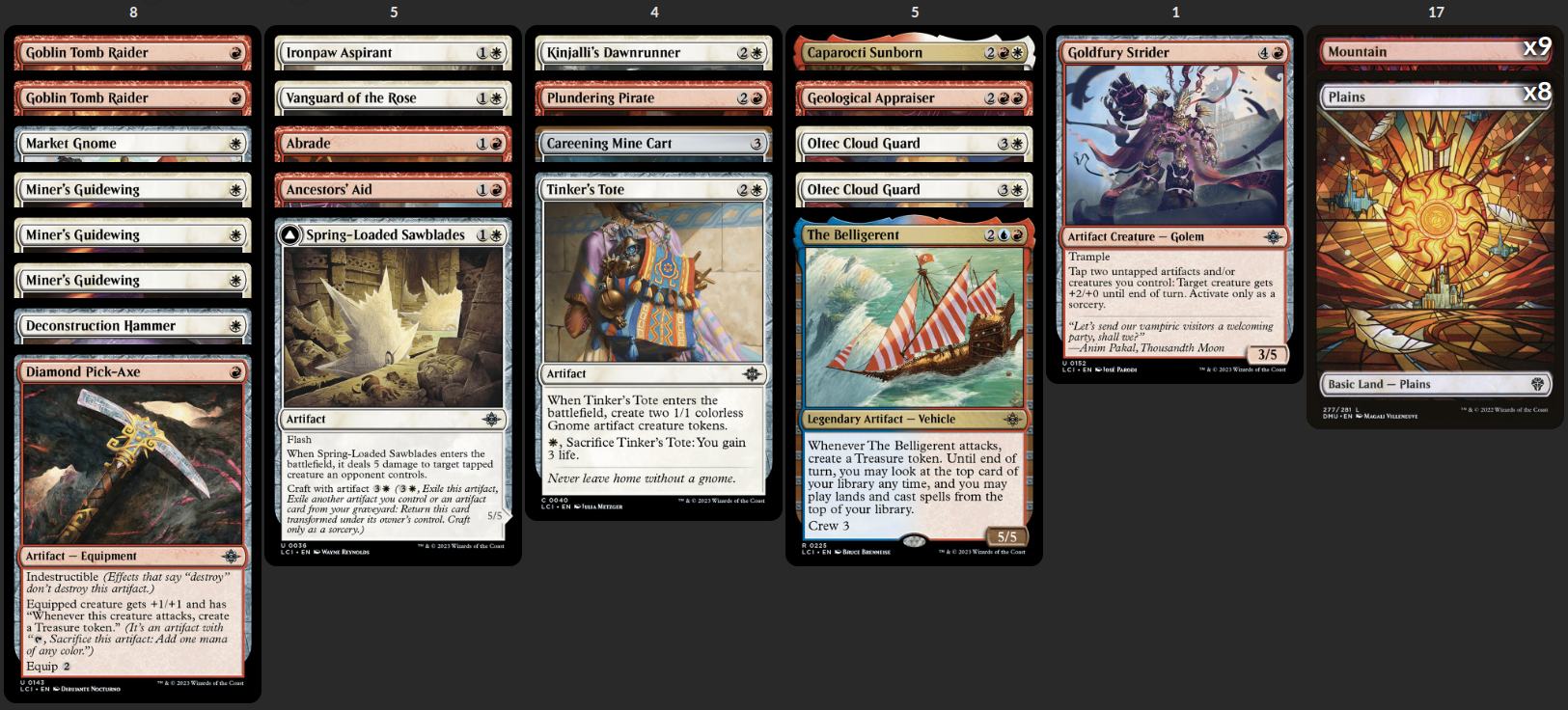
This WR deck splashes
New Rule: Two non-land sources now cover one pip.
This rule was aimed mostly at cube, where it’s more common to play cards with no intention of casting them:
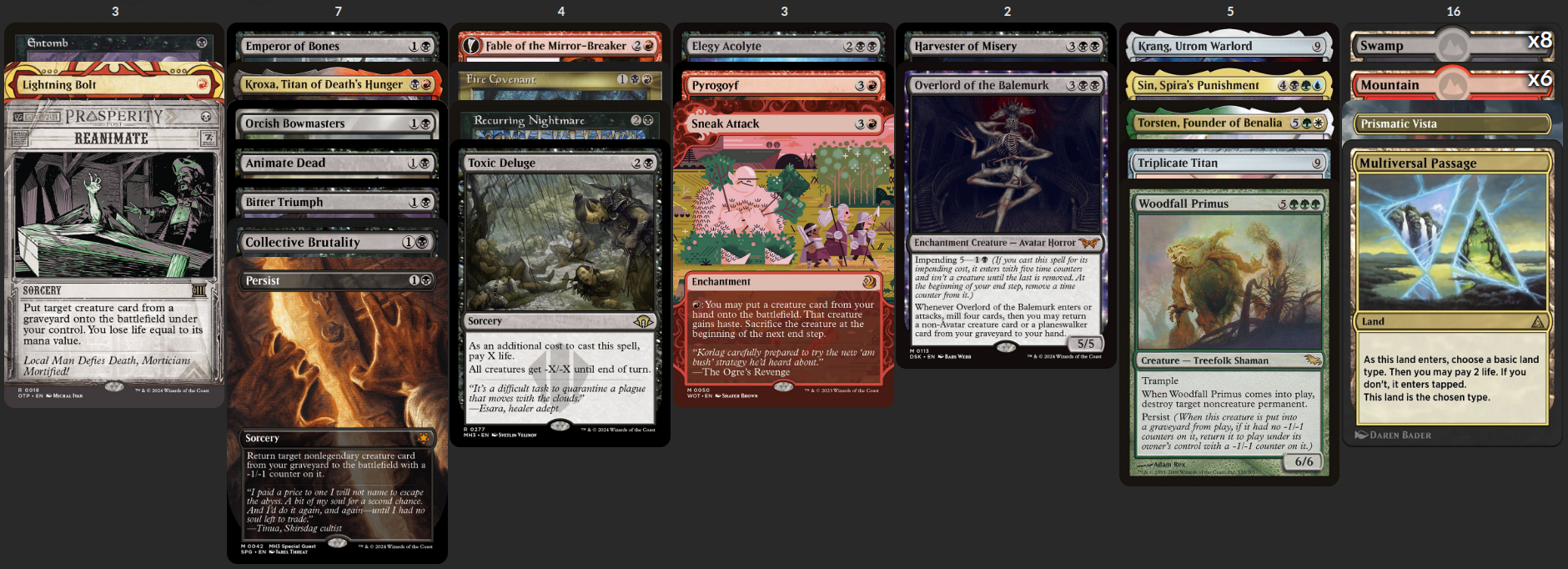
This BR cube deck plays
Take Woodfall Primus’
How it all fits together
%%{init: {'flowchart': {'nodeSpacing': 25, 'rankSpacing': 35}, 'themeVariables': {'fontSize': '13px'}}}%%
flowchart TD
    classDef main fill:#4a7fb5,stroke:#2c5282,color:#fff
    classDef splash fill:#3a9e8f,stroke:#276e62,color:#fff
    classDef ignored stroke-dasharray:4 2,color:#888

    A([For each color: W U B R G]) --> E{"Requires this<br/>color to cast? #1"}

    E -- No --> G{"Used by an<br/>ability?"}
    G -- No --> NONE1[Ignored]:::ignored
    G -- Yes --> H{"Has a land for<br/>this color? #2"}
    H -- No --> NONE2[Ignored]:::ignored
    H -- Yes --> SPLASH[Splash]:::splash

    E -- Yes --> F{"Has enough sources<br/>for this color? #3"}
    F -- No --> NONE3[Ignored]:::ignored
    F -- Yes --> C{4 or more<br/>cards?}
    C -- No --> SPLASH
    C -- Yes --> MAIN[Main color]:::main
Beyond the three big rules, a handful of smaller cases also got cleaned up: lands with off-color abilities like
I hope you enjoyed this look under the hood at how we approached the problem. A couple of these cases involve some ambiguity, so we optimized for simplicity over precision: Simple is better than complex.
We expect these rules to hold up well across future formats, but will continue adjusting if the situation calls for it.
In the coming weeks we’ll re-aggregate the recent formats most affected by these changes, like ECL and TMT.
Found a deck that still looks off? Let us know in our Discord.
Do you want to help contribute data for analyses like these in the future? Check out our Getting Started page to install the lightweight Arena tracker and get access to all of our deck, draft, and gameplay tracking!